

Low water pressure turns a shower into a drizzle and makes every chore take longer. The first step is figuring out where the problem is, because that tells you what's causing it.
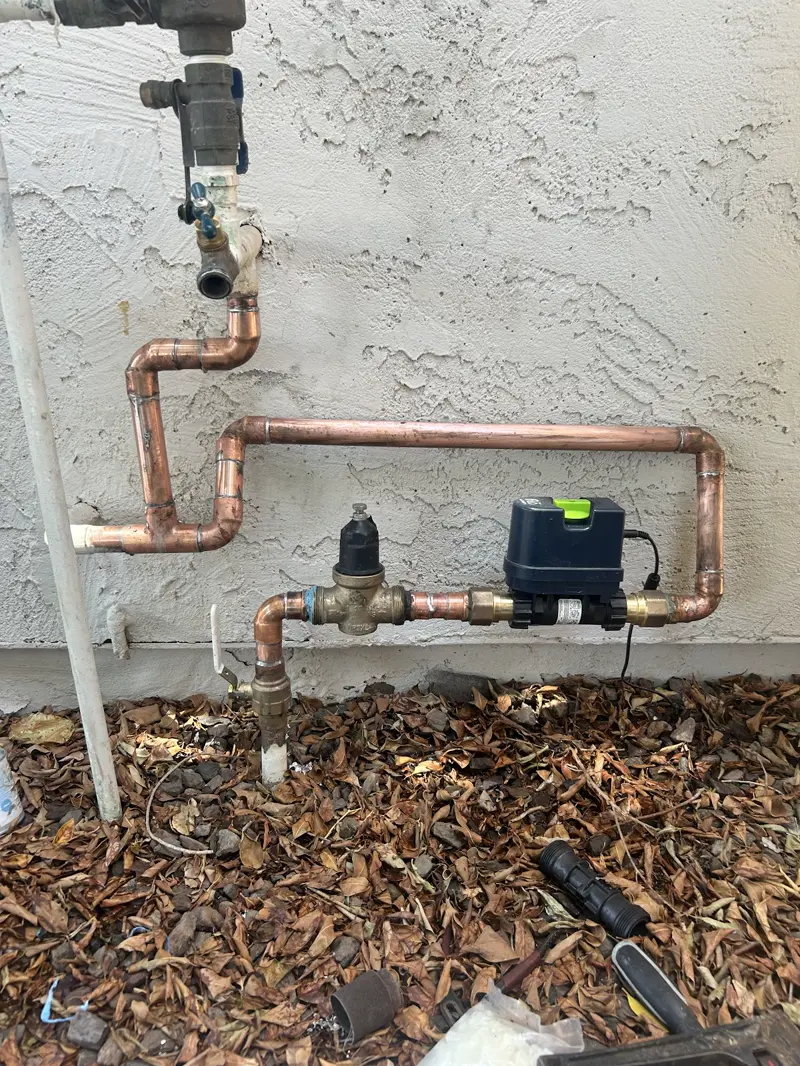
Step 1: Is it one fixture or the whole house?
- One faucet or showerhead: the problem is at that fixture. Start with the aerator or showerhead.
- Only the hot water: the problem is at or near the water heater.
- The whole house: the problem is at the main line, the pressure regulator or the city supply.
- Your neighbors too: call your water provider; it may be a main break or repair work in the street.
Step 2: Check your gauge
A water pressure gauge that screws onto a garden hose spigot tells you what the house is actually getting. Plumbing code caps home pressure at 80 psi; if you're well below that and feeling weak flow everywhere, something is restricting the supply.
Common causes, from easiest to biggest
1. Clogged aerators and showerheads
Hard water leaves mineral scale, and the tiny screens in faucet aerators and showerheads catch it. Unscrew the aerator, rinse out the grit, and soak it in white vinegar to dissolve the scale. If the flow comes back, you found it. (Tired of scale? See water softener or salt-free conditioner.)
2. A valve that isn't all the way open
After any plumbing work, check that the main shutoff and the valves under the sink are fully open. A main valve left partly closed lowers the pressure in the whole house.
3. A failing pressure regulator (PRV)
The PRV where your water line enters the house lowers the street pressure to a safe level. When it starts to fail, pressure can drop, jump around, or creep too high. If the whole house is weak and nothing else explains it, the PRV is a prime suspect. Adjusting or replacing it is a job for a plumber.
4. A hidden leak
Water escaping through a leak is water that doesn't reach your faucets. Watch for a water bill that jumps, the sound of running water when everything is off, warm spots on the floor, or a meter that keeps moving with all fixtures off. These can point to a slab leak or a leak in a wall or yard line.
5. Low pressure only on the hot side
If cold is fine but hot is weak, check that the valve on the water heater's cold supply is fully open. Sediment and scale inside the tank, or scale in a tankless heater, can also restrict flow. A water heater flush or descale often helps.
6. A clogged water softener or filter
If you have a softener or a whole-house filter, a clogged cartridge or a stuck valve can choke the whole house. Put the softener in bypass: if pressure comes back, the problem is the equipment.
7. Old, corroded pipes
In older homes, galvanized steel pipes rust and build up scale on the inside until the opening is a fraction of its original size. Low pressure that slowly got worse over years, rusty-looking water, or several leaks are signs it may be time for a repipe.
When to call a plumber
Call when the whole house is affected and the main valve is open, when you suspect a leak, when hot water pressure stays low after the basics, or when pressure swings between weak and strong. OX Plumbing answers 24/7, and our $99 service call covers the visit, the diagnosis and an upfront price. Water pressure too high? See high water pressure: signs and when to get it checked.