

The first cold mornings of the year are when a lot of East Valley water heaters show their age. The shower goes lukewarm halfway through, the hot water runs out before everyone's done, or there's no hot water at all. Add holiday guests and longer showers, and a heater that was fine in July can't keep up.
Here's why winter is harder on a water heater, what you can check yourself, and when it's time to call.
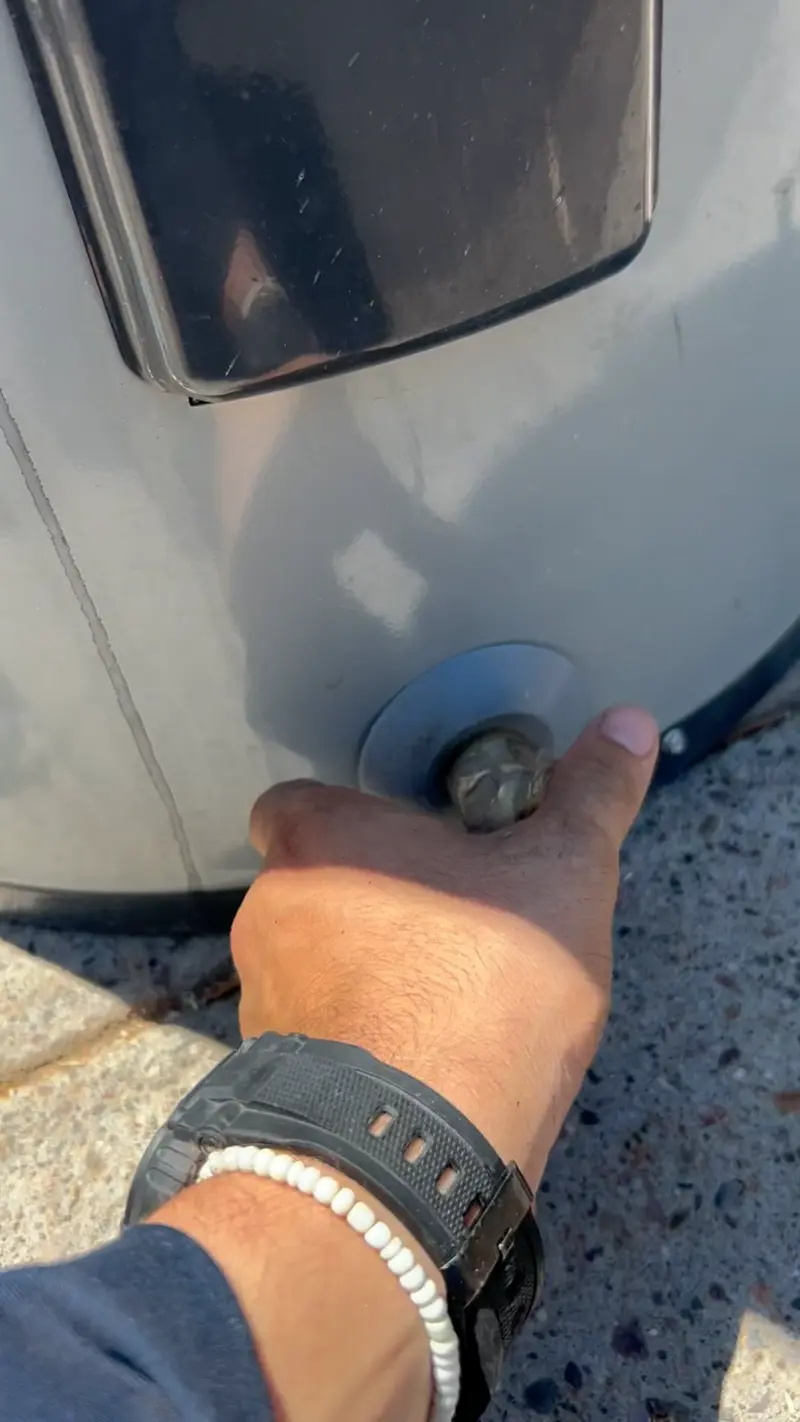
Why winter is harder on a water heater
The water coming in is colder. Your heater has to raise the water from whatever temperature it arrives at to the temperature you set. In winter it arrives colder, so the heater has to do more work for every gallon. A tank runs out of hot water sooner and takes longer to recover.
Tankless heaters hit their limit. The U.S. Department of Energy says tankless water heaters are rated by how much they can raise the temperature at a given flow rate, for example a 70°F rise at about 5 gallons per minute for gas units and about 2 gallons per minute for electric ones. Colder incoming water means a bigger rise, so the same heater can supply fewer showers and faucets at once. Two showers plus the dishwasher may be more than it can do in January.
More people, more hot water. Guests, longer showers and extra laundry all pull from the same heater.
Hard water adds up. East Valley water is hard, and the City of Mesa lists hardness as one of its most common water quality concerns. In a tank heater, minerals settle at the bottom as sediment. That layer takes up room, makes the heater work harder, and is often what you hear when a tank rumbles or pops. Tankless heaters scale up inside instead; see flushing a tankless water heater.
Quick checks you can do yourself
- Is it every faucet, or just one? If only one shower or sink is cold, the problem is probably that fixture (often its mixing valve), not the water heater.
- Gas heater: is the pilot lit? If the window at the bottom is dark, see pilot light won't light or stay lit. If you smell gas, don't light anything: leave and call 911 and Southwest Gas at 877-860-6020 from outside.
- Electric heater: check the breaker. A tripped breaker means no heat at all. If it trips again, stop and call; that points to a problem inside the heater.
- Check the thermostat. Someone may have turned it down. The Department of Energy suggests 120°F for most homes; going much higher raises the risk of scalding.
- Look around the base. Water on the floor or a rusty tank is a bigger problem. See water heater leaking from the bottom.
Common causes we find
- A failed heating element (electric tanks). Most electric tank heaters have two elements. When one fails, you often get water that's warm but runs out fast.
- A worn thermocouple or a dirty pilot (gas tanks). The pilot goes out and the burner won't run.
- Heavy sediment in an older tank that has never been flushed.
- A heater that's too small for the household, which shows up first in winter.
- An old heater. If yours is past about 10 years old and acting up, read signs your water heater needs replacing before paying for a big repair.
When to call a plumber
- No hot water at all after the checks above
- A breaker that keeps tripping, or a pilot that won't stay lit
- Water around the heater, or rumbling and popping that's getting worse
- Hot water that runs out much faster than it used to
OX Plumbing repairs and replaces gas, electric and tankless water heaters across the East Valley, including water heater repair in Mesa, Gilbert and Chandler. We answer 24/7, and our $99 service call covers the visit, the diagnosis and an upfront price before any work begins.
Send Details, Photos, or Questions.
Tell us what you need, send photos if helpful, or request service for a later date. We'll get back to you within 24 hours.
0/1000
Your information is private and only used to contact you. Have an emergency? Please call us directly.