


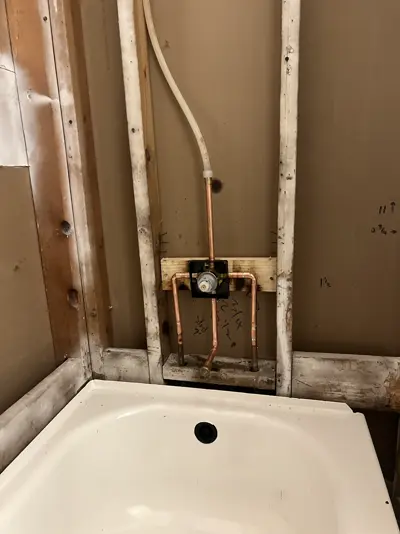
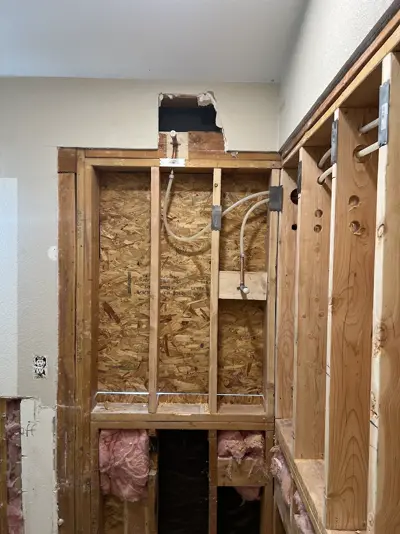
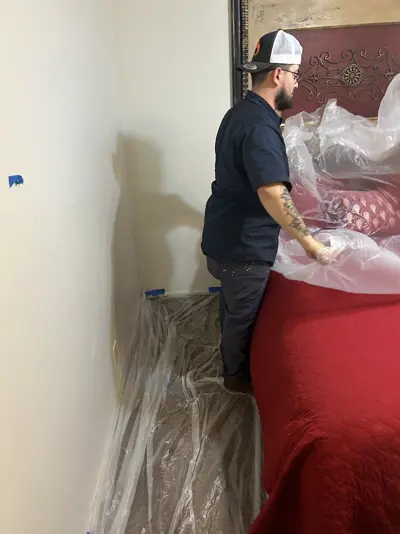




Built in the '70s or '80s? Check What's in the Walls.

U.S. Census data shows about 43% of Mesa homes were built in the 1970s and 1980s, and the median home dates to 1989. That puts a lot of Mesa plumbing at an age where the original pipe can start to give out.
What matters most is the material:
- Galvanized steel rusts from the inside. Pressure drops, water turns brown after it sits, and leaks show up at the threads.
- Polybutylene (gray plastic, common in homes of that era) is known for failing at the fittings without warning.
- Copper usually lasts, but lines that have already leaked under the slab more than once are a sign the rest may follow.
0+
Homes Served across Mesa & East Valley
0+
Commercial Jobs — restaurants, offices, retail
0+
Years Experience — licensed & insured
Repair, Reroute, or Repipe?
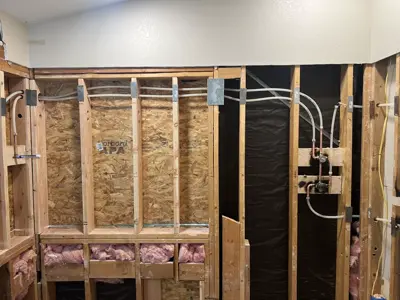
Not every old pipe needs replacing. How we decide:
- One leak in otherwise good pipe: repair the section. No reason to repipe.
- A line under the slab that has leaked: reroute just that line through the walls or attic. See slab leak repair in Mesa.
- Repeated leaks, galvanized or polybutylene throughout, or brown water at several taps: a partial or whole-home repipe usually costs less over time than paying for leak after leak, plus the drywall and flooring repairs that come with them.
Not sure what's leaking or where? Start with leak detection in Mesa.
Mesa Permits and What to Expect
The City of Mesa requires a construction permit for installing or modifying plumbing systems, and a repipe is exactly that. Mesa builds to the 2024 International Plumbing Code, and a permit stays valid for 180 days after it is issued. Questions go to Mesa Permit Services at 480-644-4273.
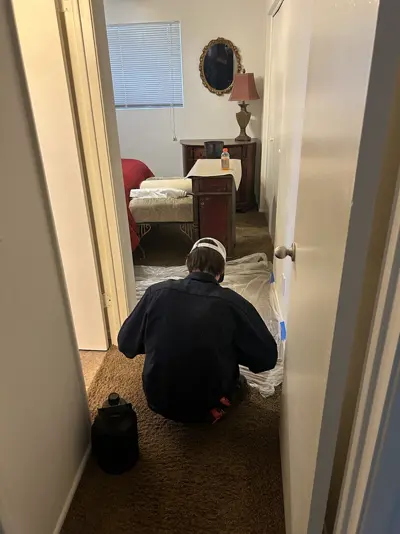
Most repipes run the new lines through the attic and walls, so the openings are usually small patches, not torn-out rooms. Our $99 service call covers an inspection of what you have and an upfront price for a repair, reroute or repipe. The $99 goes toward the work if you go ahead.